


Concrete Plywood: How Property Investors Can Understand Material Quality on Building Sites
This guide shows what concrete plywood is, how to spot good and bad boards on site, and what questions to ask a contractor before signing off pours.
What is concrete plywood, and why should property investors care?
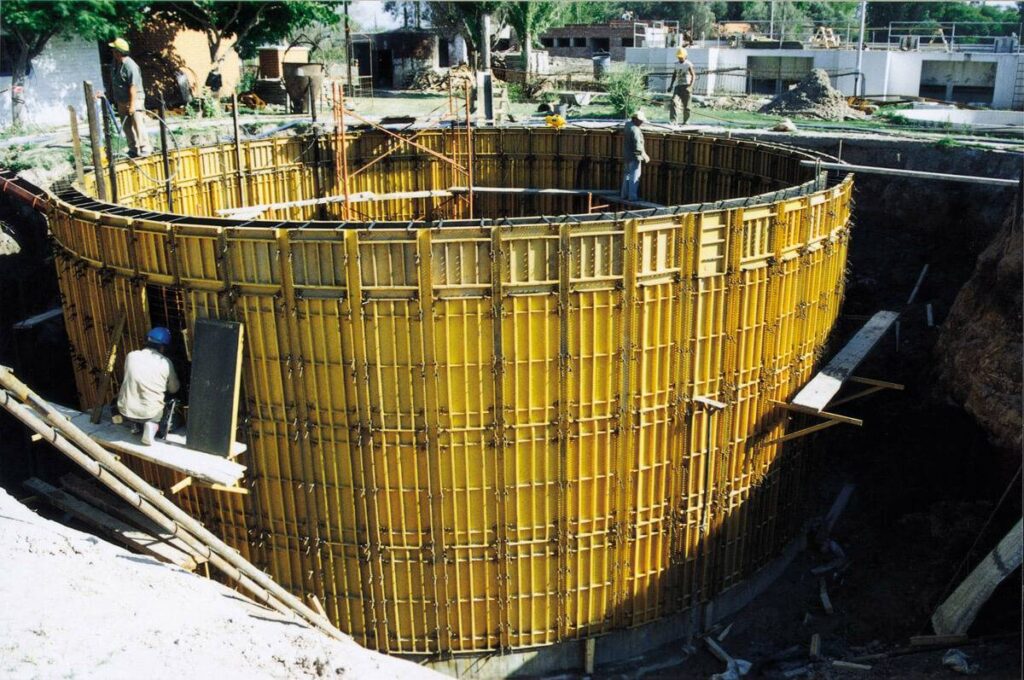
Concrete plywood is a type of plywood used for formwork, where wet concrete is poured against it to create walls, columns, and slabs. Investors should care because poor boards can lead to blow-outs, honeycombing, uneven finishes, and costly remedial work. Click here to explore concrete plywood and find out how selecting the right formwork material can help avoid expensive remedial work.
Even when the structure is sound, bad form faces can create ugly concrete, more patching, and delays. Those issues can impact valuation, handover dates, and rental starts.

How can they tell whether concrete plywood is fit for formwork?
Good concrete plywood looks flat, stiff, and consistent in thickness, with clean edges and minimal face defects. On site, they can start with three quick checks: straightness, surface condition, and edge integrity.
If a board is warped, swollen, or “dish-shaped,” it will telegraph into the concrete face. If edges are crushed, water gets in, the board delaminates, and reuse drops fast.
Which markings and specifications matter most on site?
For concrete plywood, the most practical “site-level” spec cues are thickness, face grade, glue bond class, and whether it is film-faced. They should ask what standard the supplier is working to and whether documentation is available.
If the contractor cannot say what they ordered, it is a warning sign. Investors do not need to debate standards in depth, but they should expect clear answers on thickness, film type, and intended reuses.
What does film-faced concrete plywood actually do?
Film-faced concrete plywood has a resin-impregnated film that reduces water absorption and helps concrete release cleanly. The direct benefit is a smoother finish with fewer blowholes, plus faster striking and less patching.
On busy sites, release quality affects labour. If boards stick or tear, the concrete surface suffers and repairs rise. That usually lands in time and money, even when nobody calls it “a plywood problem”.
How do they spot poor-quality boards before a pour?
Poor concrete plywood often shows bubbling film, peeling at corners, soft spots, and visible layers separating at the edges. They can also look for oil saturation and excessive nail holes, both of which reduce face quality and stiffness.
A simple tap test helps. A dull, “dead” sound can indicate voids or delamination. If several boards in a stack show the same issues, the batch may be unsuitable for any fair-faced work.
What questions should they ask the site team about reuse cycles?
With concrete plywood, the contractor should be able to state how many reuses they expect and what controls they use to achieve that. The first answer matters because unrealistic reuse assumptions can drive corner-cutting, like skipping edge sealing or using damaged boards again.
They should ask: How are boards cleaned? Are edges sealed after cutting? Are boards stored off the ground and protected from rain? Good handling is often the difference between five pours and fifteen.
How does moisture and storage affect material performance?
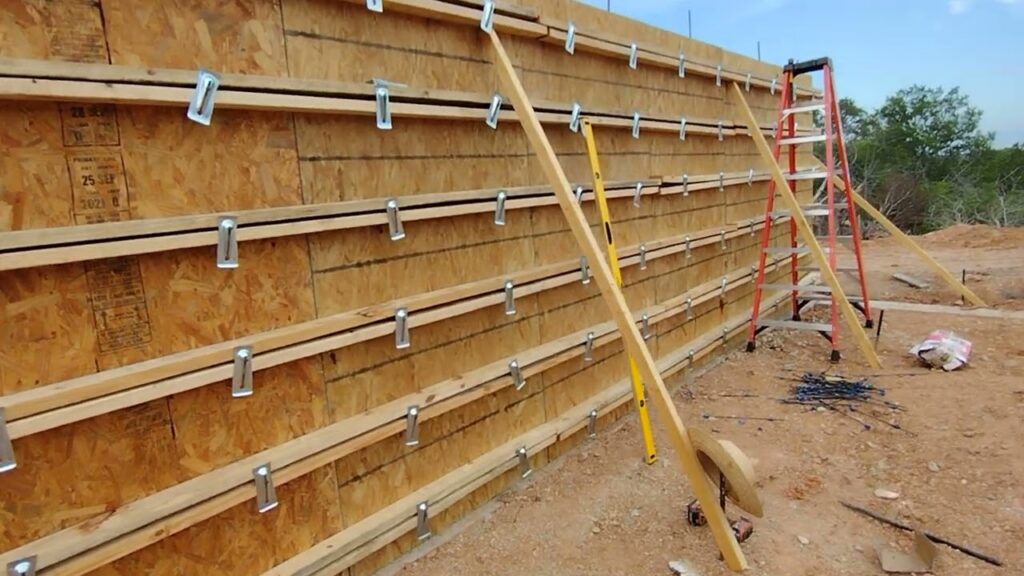
Moisture is a major enemy of concrete plywood because water ingress causes swelling, edge failure, and delamination. Investors can look for boards stored flat, on bearers, and covered, rather than leaning against fencing or sitting in puddles.
If rain has soaked a stack, the surface may look fine but edges can soften. Once edges break down, concrete paste penetrates, boards stick, and the form face deteriorates quickly.
What site signs suggest the wrong board choice for the finish required?
If the design intent is a clean, consistent concrete finish, battered concrete plywood is a red flag. They should watch for heavy patch repairs on boards, mixed board types in the same elevation, and visible joints that will print through.
Another sign is excessive release agent puddling. That can hide poor face condition, then create staining on the concrete. When finish matters, consistent boards and consistent practice matter more than promises.
How should they balance price against risk when approving materials?
Cheaper concrete plywood can be a false economy if it fails early, increases labour, or triggers remedials. Investors should frame the decision around outcomes: surface quality, pour success rate, and programme certainty.
They can ask the contractor to justify board selection against the finish class required and the anticipated number of pours. If the project relies on speed and repeatability, paying for better boards often reduces total cost.
What should they document when they see a problem on site?
When concrete plywood looks unsuitable, they should record board condition, location, and intended use before the pour. Photos should include close-ups of edges, any delamination, and the wider stack to show it is not a one-off.
They should also note who was told and what was agreed. Clear, calm documentation helps avoid disputes later, especially if defects appear after striking and the root cause is debated.
How can they use a simple checklist during site visits?
A short checklist keeps concrete plywood assessment practical. They can focus on: flatness, face film condition, edge sealing, storage protection, and whether boards match the specified type across the pour area. Site supervisors looking to improve quality control can benefit from concrete plywood inspection guidelines that support consistent formwork performance.
If three or more items fail, it is reasonable to ask for a pause and a plan. The goal is not to micromanage trades, but to prevent avoidable defects that damage time, cost, and finish.
What is the smartest way for investors to handle pushback from contractors?
If challenged, they can anchor the conversation on agreed quality outcomes, not personal preferences about concrete plywood. They should ask what finish is being targeted, what the board choice supports, and what happens if the pour fails or needs extensive patching.
When the discussion stays on risk and responsibility, it becomes easier to resolve. Contractors often respond well when investors are consistent, documented, and focused on programme certainty rather than blame.