

The Comprehensive List of Pest Control Services Sydney Offers
What Types of Pest Control Services Are Available for Termite Management in Sydney?
Termite solutions Sydney providers offer thorough inspections and treatments designed to safeguard properties from destructive wood-eating insects. Professional termite inspections include detailed examinations of both indoor and outdoor areas, such as subfloors, roof voids, and boundary fences. They use thermal imaging cameras and moisture meters to find hidden colonies.
Different Types of Termite Treatments
The type of pest control termite treatment used depends on the severity of the infestation and where termite activity is detected. Professional providers assess both the extent of damage and termite entry points before recommending the most effective solution. Common termite treatment methods include:
Chemical soil treatments: These create a long-lasting protective barrier around the building’s perimeter, preventing termites from entering or returning.
Baiting systems: Strategically installed around properties, these systems attract worker termites and gradually eliminate the entire colony at its source.
Timber treatments: Specialised pest control termite treatment solutions are injected directly into affected wood to eradicate active infestations and stop further damage.
Each method serves a specific purpose, and in many cases, a combination approach delivers the most reliable long-term protection against termites.
How Technology Is Changing Termite Management
Advanced technology has transformed how we protect structures from termites in Sydney. Here are some ways it’s making a difference:
- Barrier refill systems: These modern systems maintain continuous chemical zones around foundations. Technicians regularly monitor and replenish these barriers at scheduled intervals.
- Digital monitoring stations: Property owners are alerted to termite activity before significant damage occurs through digital monitoring stations. This allows for quick response.
Why Regular Termite Inspections Are Crucial
For property owners in Sydney, the significance of proactive termite inspections cannot be emphasised enough. Termites cause millions of dollars in structural damage each year across Australia, often going unnoticed until significant harm has been done.
Regular inspections—recommended annually for most properties—help identify early warning signs such as:
- Mud tubes
- Hollow-sounding timber
- Discarded wings
Comprehensive Protection Plans Against Termites
To ensure maximum effectiveness against termite threats, ongoing protection plans combine multiple strategies:
- Annual professional inspections with detailed reports
- Barrier maintenance and monitoring
- Immediate treatment response if activity is detected
- Documentation for property sales and insurance purposes
These all-inclusive packages guarantee continuous vigilance against termites, safeguarding both the structural integrity and market value of properties in Sydney.
How Is Rodent Control Managed Throughout the Year in Sydney?
Rodent control Sydney requires continuous vigilance because rats and mice breed rapidly and remain active across all seasons. Professional pest controllers implement strategic year-round management programmes that adapt to seasonal behaviour patterns, ensuring properties stay protected regardless of temperature fluctuations or environmental changes.
Why Year-Round Management Matters
Sydney’s mild climate allows rodents to thrive throughout winter and summer alike. Rats can produce up to 60 offspring annually, whilst mice colonies expand even faster under favourable conditions. Seasonal shifts drive rodents indoors seeking food, water, and shelter, making spring and autumn particularly high-risk periods for infestations.
Year-round strategies prevent small rodent problems from escalating into full-blown infestations. Regular monitoring catches early warning signs—droppings, gnaw marks, or unusual pet behaviour—before structural damage or health hazards develop.
Non-Toxic Baiting Solutions
Non-toxic baiting methods prioritise safety for households with children, pets, or environmental concerns. These approaches use mechanical traps paired with attractants rather than chemical rodenticides, eliminating secondary poisoning risks.
Professional technicians employ:
- Snap traps positioned in high-activity zones identified during inspections
- Multi-catch traps for areas with established rodent populations
- Glue boards in sensitive locations where traditional traps prove impractical
- Natural attractants like peanut butter or dried fruit to lure rodents effectively
Technicians rotate trap placements based on rodent movement patterns, ensuring maximum capture rates without creating bait shyness.
Rodent Trapping Techniques
Rodent trapping combines strategic placement with behavioural understanding. Rats prefer travelling along walls and established pathways, whilst mice explore more randomly. Pest controllers identify these routes through inspection evidence—grease marks, urine trails, or footprints in dusty areas.
Trapping protocols include:
- Initial assessment mapping rodent entry points and nesting sites
- Strategic trap deployment along identified pathways and near food sources
- Regular monitoring with trap checks every 24-48 hours
- Disposal and sanitation practices following successful captures
What Are the Common Cockroach Control Methods Used in Sydney?
Cockroach control Sydney services target three primary species that thrive in the city’s climate: German cockroaches, American cockroaches, and Australian cockroaches. German cockroaches typically infest kitchens and food preparation areas, measuring 12-15mm in length with distinctive tan colouring and two dark parallel stripes behind their heads. American cockroaches, the largest species at 35-40mm, prefer warm, damp environments like subfloors, roof voids, and drainage systems. Australian cockroaches share similar habitats to their American counterparts but are slightly smaller and feature distinctive yellow markings on their thorax.
Which Treatment Methods Do Professionals Use?
Professional pest controllers deploy baits and sprays as complementary treatment approaches rather than standalone solutions. Gel baits contain slow-acting insecticides that cockroaches consume and carry back to their harbourage sites, effectively eliminating entire colonies including nymphs and egg cases. These baits are strategically placed in cracks, crevices, and behind appliances where cockroaches travel and nest.
Residual sprays create protective barriers in areas where gel baits cannot be applied, such as:
- External perimeters and entry points
- Roof voids and subfloor spaces
- Drainage systems and pipe penetrations
- Behind wall cavities and electrical outlets
Dust formulations reach inaccessible voids where liquid treatments fail to penetrate. Technicians apply these products using specialised equipment to ensure even distribution throughout wall cavities, ceiling spaces, and underneath kitchen cabinetry.
What Environmental Changes Reduce Cockroach Activity?
Sanitation improvements address the root causes of cockroach infestations by eliminating food sources and harbourage opportunities. Removing grease build-up from stovetops, cleaning beneath refrigerators and dishwashers, and storing food in sealed containers significantly reduce cockroach attraction to properties.
Moisture control proves equally critical since cockroaches require water to survive. Repairing leaking taps, improving ventilation in bathrooms and laundries, and addressing drainage issues create inhospitable conditions for these pests. Sealing gaps around pipes, door sweeps.
How Do Pest Controllers Address Ant Infestations in Sydney Properties?
Ant control Sydney specialists target the source by locating and eliminating entire colonies rather than just treating visible trails. Professional pest controllers understand that black house ants and Argentine ants—two of the most prevalent species in Sydney properties—require different approaches based on their nesting behaviours and colony structures.
Colony Elimination Techniques
The comprehensive list of pest control services Sydney offers includes advanced colony elimination methods that go beyond surface-level treatments. Technicians conduct thorough property inspections to identify:
- Entry points where ants access the building
- Nesting sites both inside and outside the property
- Food and water sources attracting the infestation
- Satellite colonies that may exist away from the main nest
Black house ants typically establish nests in wall cavities, under flooring, and within garden beds, whilst Argentine ants form super-colonies that can span multiple properties. Professionals use targeted baiting systems that worker ants carry back to the nest, poisoning the queen and ultimately destroying the entire colony.
Treatment Methods Applied by Professionals
Licensed technicians employ a combination of approaches tailored to the specific ant species and infestation severity. Gel baits prove particularly effective for indoor treatments, as they attract foraging ants without creating visible residue. Liquid barrier treatments applied around the property perimeter prevent new colonies from establishing themselves.
For stubborn infestations, professionals may use:
- Dust formulations injected into wall voids and roof spaces
- Granular baits distributed throughout garden areas
- Non-repellent sprays that ants unknowingly transfer to nest mates
- Foam treatments for hard-to-reach cavities
Prevention Strategies to Avoid Recurrence
Pest controllers provide property owners with detailed recommendations to maintain an ant-free environment. These strategies address the conditions that initially attracted the infestation. Sealing cracks in foundations, gaps around pipes, and damaged weather stripping eliminates common entry routes.
Environmental modifications include removing food debris promptly, storing pantry items in sealed containers, and fixing leaky taps that provide water sources. Technicians often suggest trimming vegetation away from building exteriors and relocating mulch beds that harbour ant colonies near foundations.
What Spider Control Solutions Are Provided for Residential and Commercial Properties?
Spider control Sydney services focus on eliminating existing populations and preventing future infestations through comprehensive web removal and targeted chemical applications. Professional treatments combine immediate physical removal with long-lasting residual sprays that create protective barriers around entry points, eaves, and common harbourage areas.
Which Spider Species Require Specialist Attention?
Sydney’s diverse spider population includes several species requiring different control approaches. Funnel-web spiders pose significant danger due to their aggressive nature and potent venom, necessitating immediate professional intervention when discovered near residential or commercial properties. Redback spiders commonly inhabit outdoor areas such as garden sheds, letterboxes, and beneath outdoor furniture, where their distinctive red markings make identification straightforward.
House spiders, whilst less dangerous, create unsightly webs and cause distress to occupants. Black house spiders build dense, lacy webs in window frames and wall crevices, whilst white-tailed spiders wander indoors hunting other spiders. Huntsman spiders, despite their intimidating size, rarely bite but their presence in commercial settings can alarm customers and staff.
How Does Professional Web Removal Work?
Web removal forms the foundation of effective spider control, eliminating existing populations and their egg sacs before chemical treatments begin. Technicians use specialised tools to reach high corners, roof voids, and external eaves where spiders construct webs. This physical removal process destroys egg sacs that could hatch hundreds of spiderlings, preventing future generations from establishing themselves.
The process extends beyond visible webs to include inspection of concealed areas:
- Subfloor spaces and wall cavities
- Behind downpipes and guttering systems
- Underneath decking and pergola structures
- Inside meter boxes and air conditioning units
- Around window and door frames
What Treatment Methods Deliver Long-Term Protection?
Residual insecticide applications create invisible barriers that remain effective for months after initial treatment. Licensed technicians apply these products to surfaces where spiders travel, ensuring contact with the chemical as they move across treated areas. The residual effect continues working long after the technician departs, killing spiders that emerge from hiding or attempt to enter the property. Read more about when to use pest control termite solutions versus DIY.
How Are Bed Bug Infestations Treated Discreetly in Sydney?
Bed bug treatment Sydney specialists prioritise confidentiality and minimal disruption, particularly for commercial accommodation pest services where reputation is paramount. Technicians arrive in unmarked vehicles and use discreet equipment to protect the privacy of homeowners and businesses alike.
What Makes Bed Bug Treatments Suitable for Hotels and Accommodation?
Hotels, serviced apartments, and backpacker hostels require specialised discreet pest control protocols that allow continued operation during treatment. Pest controllers schedule services during low-occupancy periods or treat individual rooms whilst others remain available for guests. The process involves thorough inspections of mattresses, bed frames, furniture joints, and electrical outlets where bed bugs typically harbour.
Professional treatments combine multiple methods to ensure complete eradication:
- Heat treatment – raising room temperatures to 50-60°C for several hours, which kills bed bugs at all life stages without chemicals
- Steam application – targeting crevices, seams, and hard-to-reach areas where bed bugs hide
- Residual insecticide sprays – applied to baseboards, furniture legs, and potential entry points
- Dust formulations – inserted into wall voids and electrical fittings for long-lasting protection
How Do Technicians Ensure Complete Removal Without Disturbance?
The treatment process begins with a detailed inspection using magnification tools and bed bug detection devices. Technicians identify all affected areas before commencing treatment, which prevents the need for repeated visits that might raise concerns among guests or neighbours.
Commercial accommodation pest services include preparation guidance that minimises visible disruption. Staff receive clear instructions about laundering bedding at high temperatures, vacuuming protocols, and temporary furniture arrangements. Pest controllers work methodically through each space, treating one section at a time to maintain operational capacity.
Follow-up inspections occur 10-14 days after initial treatment to verify complete elimination. This second visit catches any newly hatched nymphs from eggs that survived the first treatment. Technicians document all procedures with photographic evidence and detailed reports, which proves particularly valuable for property managers and accommodation providers who need verification for insurance or compliance purposes.
What Services Are Offered for Wasp and Bee Nest Removal in Sydney?
Wasp removal Sydney services tackle aggressive nests using specialised protective equipment and targeted insecticides that neutralise colonies rapidly. Professional technicians assess nest locations—whether in roof cavities, wall voids, or garden areas—before implementing removal strategies that prevent defensive swarm behaviour.
Aggressive Nest Removal Techniques
Pest control operators employ a multi-stage approach when dealing with wasp infestations. Initial treatments involve applying dust or spray formulations directly into nest entry points during early morning or late evening hours when wasps are less active. European wasps, paper wasps, and mud daubers each require different tactical approaches based on their nesting habits and colony sizes.
Technicians use:
- Residual insecticide dusts that cling to wasps’ bodies, spreading throughout the colony
- Foam treatments for concealed nests in wall cavities or underground locations
- Direct nest removal after complete colony elimination to prevent future occupation
- Thermal imaging cameras to locate hidden nests within building structures
The physical removal process happens only after confirming complete colony death, typically 24-48 hours post-treatment. This prevents aggressive defensive responses that put property occupants at risk.
Management of Bee Populations with Care for Environmental Impact
Bee removal services differ significantly from wasp control due to bees’ protected status and ecological importance. Licensed pest controllers coordinate with local beekeepers whenever possible to relocate established honeybee colonies rather than exterminate them. This approach preserves pollinator populations whilst resolving property conflicts. You may like to visit https://www.dpi.nsw.gov.au/animals-and-livestock/bees/management to get about managing your hives.
Native Australian stingless bees receive particular conservation attention. Technicians identify bee species before recommending solutions, distinguishing between:
- Honeybees (often relocated to apiaries)
- Native stingless bees (protected and relocated)
- Carpenter bees (managed through exclusion methods)
When relocation proves impossible—such as with aggressive Africanised bee hybrids or structurally compromised nests—controlled eradication uses methods that minimise environmental contamination. Pest controllers remove honeycomb material post-treatment to prevent attracting ants, rodents, or secondary bee swarms.
Safety
How Do Mould Treatments Complement Pest Control Efforts in Sydney?
Mould treatment Sydney services work hand-in-hand with pest control by addressing the damp conditions that attract insects and rodents. Mould creates an environment where cockroaches, silverfish, and other moisture-loving pests thrive, making its removal essential for comprehensive property protection.
What Makes Fogging Solutions Effective Against Mould?
Fogging solutions penetrate every corner of affected spaces, eliminating both visible mould colonies and microscopic airborne spores that traditional cleaning methods miss. The fine mist reaches behind walls, under flooring, and into ventilation systems where mould often hides undetected.
Professional technicians deploy specialised fogging equipment that disperses antimicrobial agents throughout the property. This method proves particularly effective in:
- Bathrooms and laundry areas with persistent humidity
- Basements and subfloor spaces prone to water accumulation
- Commercial kitchens where steam creates ideal mould conditions
- Storage facilities with limited air circulation
The treatment process typically requires a 2-4 hour application period, followed by adequate ventilation time before re-entry.
How Do Non-Toxic Coatings Prevent Mould Regrowth?
Non-toxic coatings form a protective barrier on treated surfaces that inhibits future mould development without releasing harmful chemicals. These coatings remain safe for families, pets, and food preparation areas whilst maintaining long-term effectiveness.
The application process involves:
- Complete removal of existing mould growth
- Thorough surface cleaning and drying
- Application of antimicrobial coating in multiple layers
- Curing period to ensure proper adhesion
These protective treatments last between 6-12 months depending on environmental conditions and surface type. High-moisture areas may require more frequent reapplication to maintain protection.
Why Does Mould Removal Support Overall Pest Management?
Addressing mould issues creates an inhospitable environment for pests whilst improving air quality and structural integrity. Cockroaches feed on mould spores, rodents nest in damp materials, and termites target moisture-damaged timber.
Properties with active mould problems often experience:
What Role Do Eco-Friendly Products and Licensed Technicians Play in Pest Control Services?
Eco-friendly pest control Sydney providers prioritise environmentally responsible products that eliminate pests without compromising the safety of families, pets, or the surrounding ecosystem. These modern formulations target specific pests whilst breaking down naturally, leaving minimal residue and reducing chemical exposure in homes and workplaces.
Why Are Pet-Safe Products Essential in Sydney Pest Control?
Pet-safe products form the foundation of responsible pest management in Sydney households. These treatments use botanical extracts, naturally derived compounds, and low-toxicity formulations that effectively control infestations whilst protecting curious pets from harmful exposure.
Professional services select products based on:
- Active ingredients with proven low toxicity to mammals
- Application methods that minimise contact with living areas
- Formulations that dry quickly and become inert after treatment
- Solutions approved by environmental and health authorities
Many Sydney providers now offer completely organic options for clients with heightened sensitivities or those maintaining chemical-free environments. These alternatives deliver comparable results to conventional treatments without synthetic pesticides.
What Qualifications Must Licensed Technicians Hold?
Licensed technicians in Sydney must complete rigorous training and maintain current certifications to legally perform pest control services. The NSW Environment Protection Authority requires technicians to hold specific licences corresponding to their treatment scope.
Essential qualifications include:
- Pest Management Technician Licence issued by NSW EPA
- Chemical handling and safety certifications
- Ongoing professional development in emerging pest control technologies
- Insurance coverage for public liability and professional indemnity
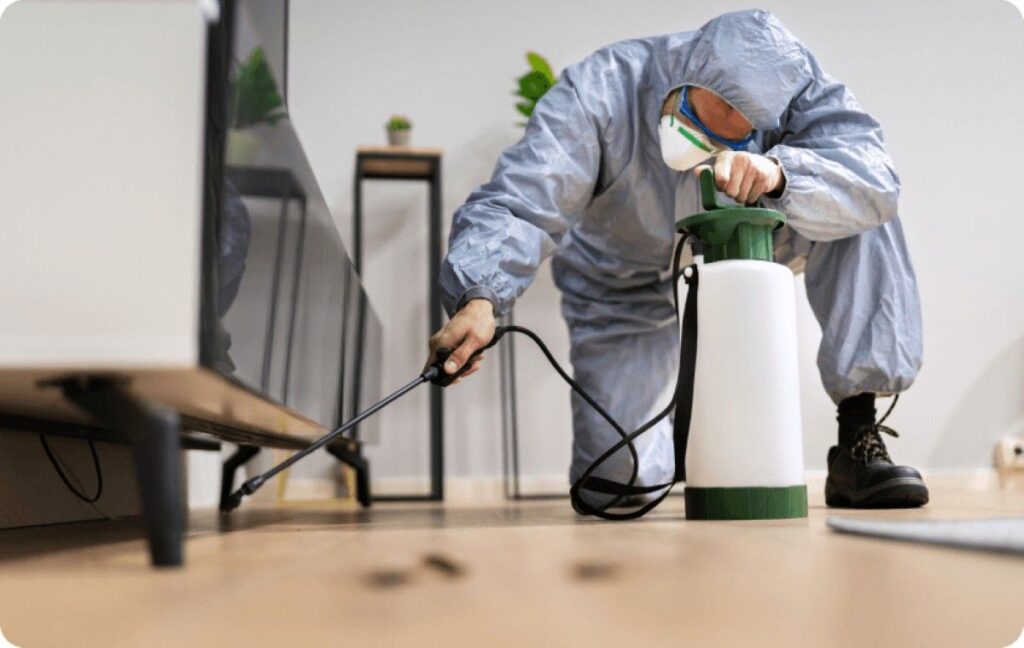
Experienced technicians bring practical knowledge of Sydney’s unique pest behaviours, seasonal patterns, and building construction methods. This expertise enables accurate identification of pest species, selection of appropriate treatment methods, and strategic placement of control measures.
How Does Technician Experience Impact Treatment Effectiveness?
Seasoned professionals recognise subtle signs of infestation that inexperienced operators might overlook. They understand how Sydney’s climate influences pest activity, when populations peak, and which environmental factors contribute to recurring problems.
Veteran technicians can:
- Identify entry points and harbourage areas specific to Sydney properties
- Customise treatment protocols based on building materials and layout
- Anticipate pest behaviour patterns throughout different seasons.
How Do Year-Round Protection Packs Benefit Property Owners in Sydney?
Year-round pest protection packs Sydney property owners rely on provide consistent defence against recurring infestations through subscription-based monthly payment options. These continuous pest management plans eliminate the stress of remembering to schedule treatments whilst maintaining uninterrupted protection throughout all seasons.
What Payment Flexibility Do These Plans Offer?
Monthly payment structures spread the cost of comprehensive pest control across the year, making professional services accessible without large upfront expenses. Property owners can budget predictably for pest management rather than facing unexpected costs when infestations strike. The subscription model typically includes scheduled visits at optimal intervals based on pest activity patterns specific to Sydney’s climate.
How Are Plans Customised for Different Properties?
The Comprehensive List of Pest Control Services Sydney Offers through protection packs adapts to individual property requirements:
- Residential homes: Quarterly treatments targeting seasonal pests like spiders in autumn and ants in summer
- Commercial kitchens: Monthly inspections focusing on cockroaches and rodents with hygiene compliance
- Strata properties: Coordinated treatments for common areas addressing shared pest concerns
- Warehouses: Regular monitoring for rodents and flying insects with digital tracking systems
What Services Are Included in Standard Packs?
Most year-round protection packs bundle multiple services rather than addressing single pest types. Scheduled visits include general pest treatments covering spiders, ants, and cockroaches alongside targeted inspections for termites and rodents. Property owners receive priority booking for emergency call-outs and discounted rates on additional services not covered by their standard plan.
Do These Plans Provide Better Value Than One-Off Treatments?
The cumulative cost of individual treatments throughout the year typically exceeds annual protection pack pricing. Regular scheduled visits prevent infestations from establishing, reducing the need for intensive eradication treatments that cost considerably more. Warranties remain active throughout the subscription period, ensuring technicians return at no extra charge if pests reappear between scheduled visits.
How Do Protection Packs Address Seasonal Pest Variations?
Sydney’s pest activity fluctuates dramatically across seasons, with cockroaches peaking during humid summer months and spiders becoming more visible in autumn. Protection packs adjust treatment
FAQs (Frequently Asked Questions)
What termite control services are available in Sydney to protect my property?
Sydney offers comprehensive termite management services including detailed termite inspections, advanced termite treatments, and structural protection solutions. These services utilise cutting-edge technology for barrier refills and ongoing protection plans to prevent costly structural damage.
How is rodent control effectively managed throughout the year in Sydney?
Year-round rodent control in Sydney involves non-toxic baiting, strategic rodent trapping, and exclusion methods to prevent infestations. Additionally, SMART digital rodent monitoring systems provide continuous surveillance to ensure effective management.
What are the common cockroach control methods used by pest professionals in Sydney?
Pest controllers in Sydney target common species such as German and American cockroaches using tailored treatments involving baits and sprays. Environmental recommendations are also provided to reduce cockroach presence effectively.
How do pest controllers address ant infestations in Sydney properties?
Professional ant control in Sydney focuses on eliminating colonies of prevalent species like black house ants and Argentine ants. Treatment methods include colony elimination techniques alongside prevention strategies to avoid recurrence.
What spider control solutions are provided for residential and commercial properties in Sydney?
Spider control services in Sydney involve removal of webs and application of residual treatments targeting local species such as funnel-web spiders, redback spiders, and house spiders. Safety considerations are paramount during treatment processes.
How do eco-friendly products and licensed technicians enhance pest control services in Sydney?
Sydney’s pest control services emphasise the use of environmentally responsible, pet-safe products applied by qualified licensed technicians with requisite experience. These professionals offer warranties ranging from 3 to 12 months, ensuring effective and safe pest management.