
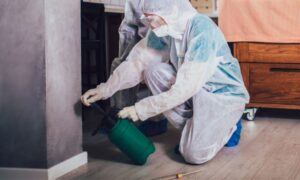

When to Use Pest Control Termite Solutions Versus DIY
Termites silently destroy homes from the inside out, causing billions in structural damage each year. These wood-eating pests compromise foundations, weaken support beams, and trigger repair costs that far exceed the price of early intervention. Choosing between DIY termite treatment and Sydney pest control services isn’t just a budget decision—it’s about protecting your property’s structural integrity and long-term value.
The right approach depends on the severity of the infestation, your property’s risk factors, and the limitations of over-the-counter products. A minor, isolated termite issue may respond to DIY solutions, while an established colony typically requires the expertise, experience, and specialised equipment offered by professional Sydney pest control services.
This guide explains when DIY pest control termite solutions may be sufficient and when professional intervention becomes essential. You’ll learn how to identify early-stage infestations suitable for self-treatment, recognise red flags that demand expert action, and understand the advanced tools and treatments professionals use that DIY options cannot replicate. We’ll also examine the true costs of each approach, including hidden risks associated with incomplete or ineffective treatments.
Whether you’re dealing with your first termite sighting or ongoing activity, knowing when to act independently and when to engage Sydney pest control services can save thousands in repair costs while keeping your home structurally secure for years to come.
What Are The Signs That Indicate A Minor Termite Infestation Suitable For DIY Treatment?
A minor termite infestation typically presents itself through isolated, visible signs in specific areas of your property rather than widespread damage throughout the structure. Homeowners can safely consider DIY solutions when they spot early-stage activity confined to a single location, such as a small section of timber or a localised area near ground level.
Recognising Early Warning Signs
Visible termite activity becomes apparent through several distinct indicators that suggest the infestation hasn’t yet spread extensively:
- Mud tubes measuring roughly the width of a pencil running along foundation walls, floor joists, or other surfaces connecting soil to wood
- Surface damage to wooden structures showing hollow-sounding timber when tapped, with visible tunnels or galleries just beneath the surface
- Discarded wings near windowsills, doors, or other entry points, indicating recent swarmer activity in a confined area
- Small piles of frass (termite droppings) resembling sawdust or coffee grounds beneath damaged wood
- Blistering paint or bubbling wallpaper in isolated spots, suggesting moisture from termite activity beneath
Characteristics of DIY-Appropriate Infestations
DIY termite signs that indicate suitability for self-treatment include infestations confined to accessible exterior wood rather than within walls or structural supports. A single mud tube on an external foundation wall, for instance, represents a more manageable situation than multiple tubes throughout the property.
The infestation should be recently discovered rather than long-established. Fresh damage with active termites visible in a small area suggests the colony hasn’t had time to expand significantly. Homeowners can reasonably address these situations with retail termite products.
Properties with no previous termite history and isolated activity in non-structural elements like fence posts, garden timber, or exterior trim present lower-risk scenarios for DIY intervention. These circumstances allow homeowners to treat the affected area without risking major structural integrity.
Limitations of Self-Assessment
Identifying a minor termite infestation requires careful inspection of both visible and semi-concealed areas. Homeowners should examine crawl spaces, basements, and areas
How Do DIY Termite Treatments Work And What Are Their Limitations?
DIY termite treatments primarily work through two mechanisms: repelling termites away from treated areas or killing individual termites on contact. Most retail products fall into categories like chemical sprays, foam applications, and baiting stations, each designed for homeowner application without professional equipment.
Common DIY Products and Their Active Ingredients
Chemical sprays available at hardware stores typically contain pyrethroids such as permethrin or bifenthrin. These synthetic compounds mimic natural insecticides found in chrysanthemum flowers and work by disrupting the nervous systems of termites. When applied to wood surfaces or soil, they create a treated zone that either kills termites on contact or drives them away from the area.
Baiting stations represent another popular DIY option. These devices contain cellulose materials laced with slow-acting toxins like hexaflumuron or noviflumuron. Worker termites consume the bait and carry it back to the colony, where it disrupts the moulting process. The theory suggests this method can eventually reduce colony populations through shared feeding behaviours.
Foam treatments offer a middle ground, allowing homeowners to inject insecticide directly into wall voids or damaged wood. These products expand to fill cavities and deliver active ingredients like fipronil or imidacloprid to hidden termite galleries.
The Repellent Versus Exterminator Distinction
Most DIY termite treatments function as repellents rather than true exterminators. Repellent products create a chemical barrier that termites detect and avoid, pushing them to find alternative routes into the structure. This approach doesn’t eliminate the colony—it merely redirects termite traffic.
Non-repellent formulations, whilst available in some DIY products, typically contain lower concentrations of active ingredients compared to professional-grade alternatives. Termites cannot detect these chemicals and continue moving through treated zones, picking up lethal doses. The challenge lies in achieving sufficient coverage and concentration to affect the entire colony.
Coverage and Potency Issues
The limitations of DIY termite control become apparent when examining coverage requirements. A typical termite colony contains hundreds of thousands to millions of individuals spread across extensive underground networks. Retail products come in
When Should You Choose Professional Pest Control for Termites?
You should consider hiring a professional pest control service for termites when you notice several warning signs around your property or if you see significant damage to the structure. Termite infestations usually don’t stay in one place—they create satellite colonies and move through tunnels under your home’s foundation.
Signs That Require Expert Help
Here are some key signs that indicate you need professional help:
- Mud tubes appearing on multiple walls or foundation areas
- Hollow-sounding timber in several rooms
- Sagging floors or ceilings in different parts of the house
- Discarded wings near multiple window sills or door frames
- Visible damage to load-bearing structures or support beams
- Blistered or bubbling paint across various surfaces
Hidden termite colonies are difficult for homeowners to deal with on their own. Termites often set up their nests inside wall cavities, beneath concrete slabs, or in roof spaces where regular store-bought products can’t reach. Professional pest control services use thermal imaging cameras and moisture detection equipment to find these hidden nests accurately. This ensures that the entire colony is eliminated instead of just treating the surface.
Which Properties Are More Likely to Have Termite Problems?
Older homes built before modern termite prevention methods may need professional evaluation because of how they were constructed and what materials were used. These properties usually have timber foundations, wooden subfloors, and crawl spaces—conditions that are perfect for termites to thrive.
High-risk properties that require professional treatment include:
- Homes built more than 30 years ago
- Properties located in warm, humid climates where termites are active all year round
- Buildings with a history of previous termite damage
- Structures with poor drainage or moisture buildup issues
- Homes surrounded by thick vegetation or wood mulch
- Properties close to wooded areas or natural habitats of termites
Your geographical location is important in deciding whether to use pest control services for termites or try DIY methods. Coastal areas and places with consistent humidity levels above 70% tend to have more termites. Homes in these regions are constantly exposed to subterranean termite species that can form large underground colonies capable of attacking multiple properties at once.
Properties that have undergone structural changes or additions present unique challenges that DIY treatments may not be able to handle properly. Extensions, renovations,

What Advanced Tools And Techniques Do Professionals Use For Termite Detection And Treatment?
Professional pest control specialists rely on sophisticated termite detection equipment that far exceeds the capabilities of standard home inspection tools. These technologies pinpoint hidden colonies behind walls, beneath floors, and within structural voids that remain invisible to the naked eye.
1. Thermal Imaging Cameras
Thermal imaging cameras detect temperature variations caused by termite activity within building materials. Active colonies generate heat signatures distinct from surrounding areas, allowing technicians to map infestation patterns without invasive drilling or wall removal. These infrared devices identify moisture accumulation—a key indicator of termite presence—since these pests require humid conditions to survive.
2. Moisture Meters
Moisture meters complement thermal imaging by measuring exact water content levels in wood and other materials. Elevated readings often signal termite damage or conditions conducive to infestation. Professionals insert probe-style meters directly into suspect areas or use non-invasive scan modes across larger surface areas to create detailed moisture profiles of the property.
3. Microwave Detection Systems
Microwave detection systems represent another layer of precision technology. These devices emit electromagnetic waves that penetrate building materials and detect movement within wall cavities. The reflected signals reveal live termite activity, distinguishing between active infestations and old damage that no longer poses a threat.
Industrial-Grade Treatment Solutions
Professional-grade termiticides deliver results impossible to achieve with retail products. Termidor stands as the industry standard, containing fipronil—a non-repellent chemical that termites cannot detect. Unlike DIY repellents that merely drive pests away temporarily, Termidor allows termites to pass through treated zones whilst unknowingly carrying lethal doses back to their colonies.
The transfer effect proves particularly devastating to termite populations. Contaminated workers spread the termiticide through grooming behaviours and food sharing, eventually reaching the queen and eliminating the entire colony. This domino effect occurs within weeks, creating comprehensive protection that DIY spot treatments cannot replicate.
Professional application equipment ensures deep soil penetration and uniform coverage. High-pressure injection systems deliver termiticides 30-60 centimetres below ground level, forming continuous chemical barriers around foundation perimeters. Specialised drill rigs access concrete slabs and hard-to-reach areas beneath structures, guaranteeing complete protection zones. You may like to visit https://www.vba.vic.gov.au/consumers/guides/termites to get more about termites.
How Does The Cost-Benefit Analysis Compare Between DIY And Professional Treatments?
DIY vs professional cost considerations reveal stark differences in upfront expenses and long-term value. DIY termite products typically range from £20 to £150 for sprays, baits, and basic treatment kits available at hardware stores. Professional termite control services start around £1,800 for an average-sized property, with comprehensive treatments potentially reaching £3,500 or more depending on infestation severity and property size.
The initial price gap appears substantial, yet this surface-level comparison misses critical factors. DIY treatments often require repeated purchases as homeowners struggle with incomplete colony elimination. A £50 spray bottle might seem economical until you’ve purchased six more over three months whilst the colony continues expanding behind your walls.
The cost of termite control extends beyond the treatment itself. Professional services include thorough property inspections, precise application equipment, and warranties covering several years. These packages typically offer annual follow-up inspections and retreatment guarantees if termites return within the warranty period. DIY approaches provide none of these safeguards, leaving homeowners vulnerable to recurring infestations without recourse.
Hidden costs emerge when DIY methods fail to address the root problem. Termites consume approximately 13 pounds of wood annually per colony, with mature colonies housing millions of individuals. An undetected or partially treated infestation can cause:
- Structural beam replacement: £2,000-£8,000
- Floor joist repairs: £1,500-£5,000
- Foundation damage restoration: £10,000-£30,000
- Decreased property value during resale
A homeowner spending £200 on DIY treatments might face £15,000 in structural repairs eighteen months later. The professional treatment that seemed expensive at £2,500 would have prevented this damage entirely whilst providing years of protection.
Insurance considerations add another layer to the financial equation. Most home insurance policies exclude termite damage from coverage, classifying it as preventable maintenance. Properties with documented professional termite protection may qualify for lower premiums or specialised coverage options. DIY-treated homes receive no such benefits, leaving owners personally liable for all damage costs.
What Are The Risks Associated With Incomplete Or Improper DIY Termite Treatments?
Partial colony eradication represents one of the most significant risks of DIY termite control. Homeowners who apply surface treatments without understanding the colony’s full extent typically eliminate only visible termites whilst leaving the queen and thousands of workers untouched deep within walls or underground. The surviving colony members quickly repopulate, often within weeks, creating a false sense of security that allows structural damage to continue undetected.
1. Improper Chemical Application Hazards
Improper chemical application creates multiple hazards for household occupants. DIY termiticides applied in excessive quantities or incorrect locations can contaminate indoor air quality, particularly when sprayed near ventilation systems or living spaces. Children and pets face heightened exposure risks due to their proximity to treated surfaces and tendency to touch or ingest contaminated materials.
2. Environmental Contamination Risks
Environmental contamination occurs when homeowners mishandle chemical treatments. Runoff from improperly applied termiticides can seep into groundwater, affecting local water supplies and harming beneficial insects, soil organisms, and nearby vegetation. Many retail termite products lack the precision delivery systems professionals use, resulting in chemical waste and unintended ecosystem damage.
3. Structural Integrity Risks
When considering structural integrity risks, it becomes clear when to use pest control termite solutions versus DIY methods. Incomplete treatments allow termites to shift their feeding patterns to untreated areas, potentially accelerating damage to critical support beams, floor joists, and foundation elements. Homeowners often discover this hidden destruction only after years of continued infestation, facing repair bills that far exceed professional treatment costs.
4. Safety Equipment Deficiencies
Safety equipment deficiencies compound DIY treatment risks. Professional pest controllers wear protective gear and use specialised application tools designed to minimise exposure. Homeowners attempting DIY treatments rarely possess proper respirators, protective clothing, or calibrated spraying equipment, increasing their risk of chemical burns, respiratory irritation, and long-term health effects from pesticide exposure.
5. Misidentification of Termite Species
Misidentification of termite species leads to inappropriate treatment selection. Subterranean termites require soil treatments, whilst drywood termites need localised wood applications. Using the wrong product type wastes money and allows the infestation to flourish as termites continue feeding whilst homeowners believe they’ve addressed the problem.
6. Legal Liability Issues
Legal liability emerges when DIY treatments damage neighbouring properties.

How Can Homeowners Decide Between Using DIY Solutions Or Hiring Professionals?
Deciding on termite treatment requires an honest assessment of two critical factors: the severity of your infestation and your property’s risk profile. Homeowners facing a few isolated mud tubes on an exterior wall with no visible structural damage might reasonably attempt DIY treatment, whereas those discovering multiple termite entry points, extensive wood damage, or swarmers inside their home need professional intervention immediately. Click here to get more about the comprehensive list of pest control services Sydney offers.
Evaluating Infestation Severity
The extent of termite activity directly influences which treatment approach makes sense. Small, surface-level infestations confined to a single accessible area—such as a garden fence post or outdoor timber—present manageable scenarios for DIY products. Established colonies affecting multiple structural elements, hidden wall cavities, or foundation timbers demand professional expertise and equipment that homeowners simply cannot replicate.
Consider these severity indicators:
- Localised damage: Single affected area with fresh mud tubes
- Multiple entry points: Termite activity in different locations around your property
- Structural compromise: Sagging floors, hollow-sounding timber, or visible wood deterioration
- Swarmer presence: Winged termites inside your home indicating an active mature colony
Assessing Property Risk Level
Your home’s characteristics significantly impact termite vulnerability and treatment needs. Properties built before 1960 often lack modern termite barriers and use timber construction methods that create more entry points. Homes in warm, humid climates or near natural bushland face constant termite pressure requiring robust, long-lasting protection that DIY products cannot provide.
High-risk properties include:
- Older homes with subfloor timber construction
- Properties on sloping blocks with poor drainage
- Houses with extensive garden beds against external walls
- Buildings in regions with documented high termite activity
Evaluating Your Treatment Capabilities
An honest self-assessment of your practical skills matters when deciding on termite treatment. Applying chemical barriers requires understanding soil types, drainage patterns, and proper dilution rates. Homeowners must drill through concrete, inject chemicals at correct depths, and create continuous treatment zones—tasks requiring specialised equipment and technical knowledge.
Ask yourself these questions:
- Can I safely handle and apply chemical termiticides according to label instructions?
Conclusion
Choosing the right method for termite control requires careful assessment of your specific situation and realistic evaluation of what each approach can deliver. DIY solutions serve a purpose when termite activity is minimal, isolated, and detected early—but they cannot replace the comprehensive protection that professional services provide for established colonies.
The decision of when to use pest control termite solutions versus DIY ultimately depends on the stakes involved. A minor sighting in a single location differs dramatically from widespread damage or multiple indicators throughout your property. Professional pest control becomes not just advisable but essential when:
- The infestation shows signs of being established or widespread
- Your property sits in a high-risk area prone to termite activity
- You’ve discovered extensive structural damage
- Previous DIY attempts have failed to resolve the problem
Thorough inspection remains the foundation of effective termite management, regardless of which treatment path you choose. Without accurately identifying the scope and location of termite activity, any treatment—DIY or professional—risks leaving colonies intact and your home vulnerable.
Lasting protection against termites requires more than just a one-time application of retail products. These pests operate in hidden colonies that can number in the hundreds of thousands, requiring systematic elimination strategies that address the entire population. Professional services deliver this through industrial-grade termiticides, specialised detection equipment, and ongoing monitoring that catches new activity before it escalates.
The financial investment in professional termite control often proves more economical than the cumulative costs of repeated DIY attempts, structural repairs from unchecked damage, and the eventual need for expert intervention. Your home represents a significant asset worth protecting with proven, reliable methods that eliminate termite threats completely rather than temporarily suppressing visible activity.
Take action based on honest assessment of your situation rather than wishful thinking about DIY effectiveness. When in doubt about infestation severity or your ability to apply treatments safely and thoroughly, professional consultation provides clarity and peace of mind that your property receives adequate protection.
FAQs (Frequently Asked Questions)
What are the signs of a minor termite infestation suitable for DIY treatment?
Homeowners can identify early or isolated termite activity through visible signs such as mud tubes, damaged wood, or small areas of visible termite activity. These indications suggest that the infestation is limited and localized, making it potentially suitable for DIY termite treatment methods.
How do DIY termite treatments work and what limitations should I be aware of?
DIY termite treatments often involve chemical sprays and baiting stations containing active ingredients that act as repellents or exterminators. However, these treatments may have limited coverage and potency, posing risks of incomplete colony elimination and reinfestation if not applied correctly or thoroughly.
When is it necessary to opt for professional pest control termite solutions instead of DIY methods?
Professional termite control is recommended when there are indicators of established or hidden colonies, such as multiple signs of infestation or extensive structural damage. Properties that are older or located in high-risk areas also benefit from expert intervention due to their vulnerability to severe infestations.
What advanced tools and techniques do professionals use for termite detection and treatment?
Pest control professionals employ advanced technologies like thermal imaging cameras and moisture meters to accurately locate termite colonies. They also use industrial-grade termiticides, such as Termidor, which create impenetrable barriers against termites, ensuring effective long-term protection.
How does the cost-benefit analysis compare between DIY and professional termite treatments?
While DIY options typically have lower upfront costs, they may lead to hidden expenses due to ineffective treatments resulting in ongoing structural damage. Professional services usually involve higher initial investment but provide comprehensive management that can prevent costly repairs over time.
What risks are associated with incomplete or improper DIY termite treatments?
Incomplete colony eradication through improper DIY methods can lead to rapid reinfestation, increased structural damage, and safety concerns for household occupants and the environment. Without fully understanding the extent of the infestation, homeowners risk exacerbating the problem rather than resolving it effectively.